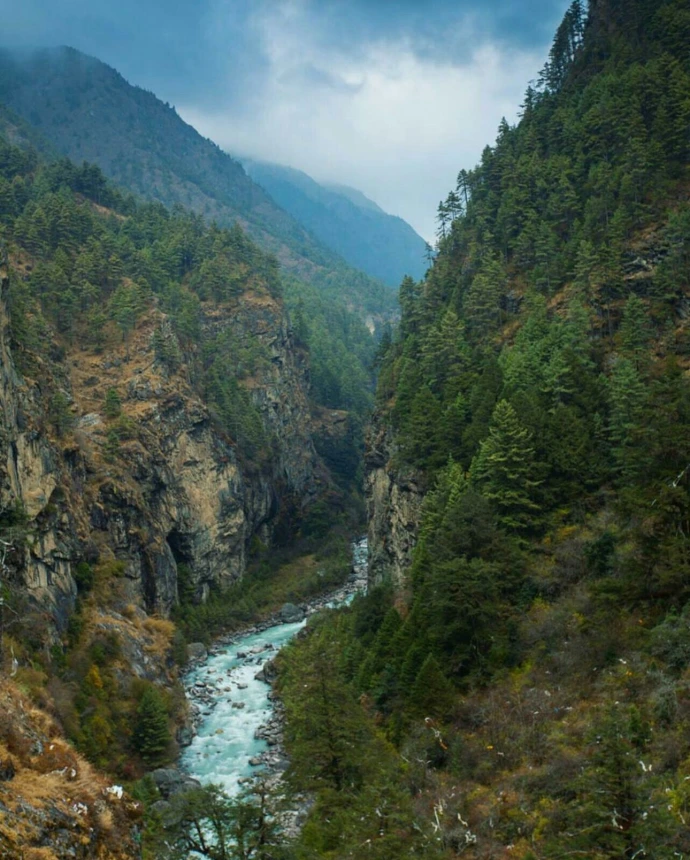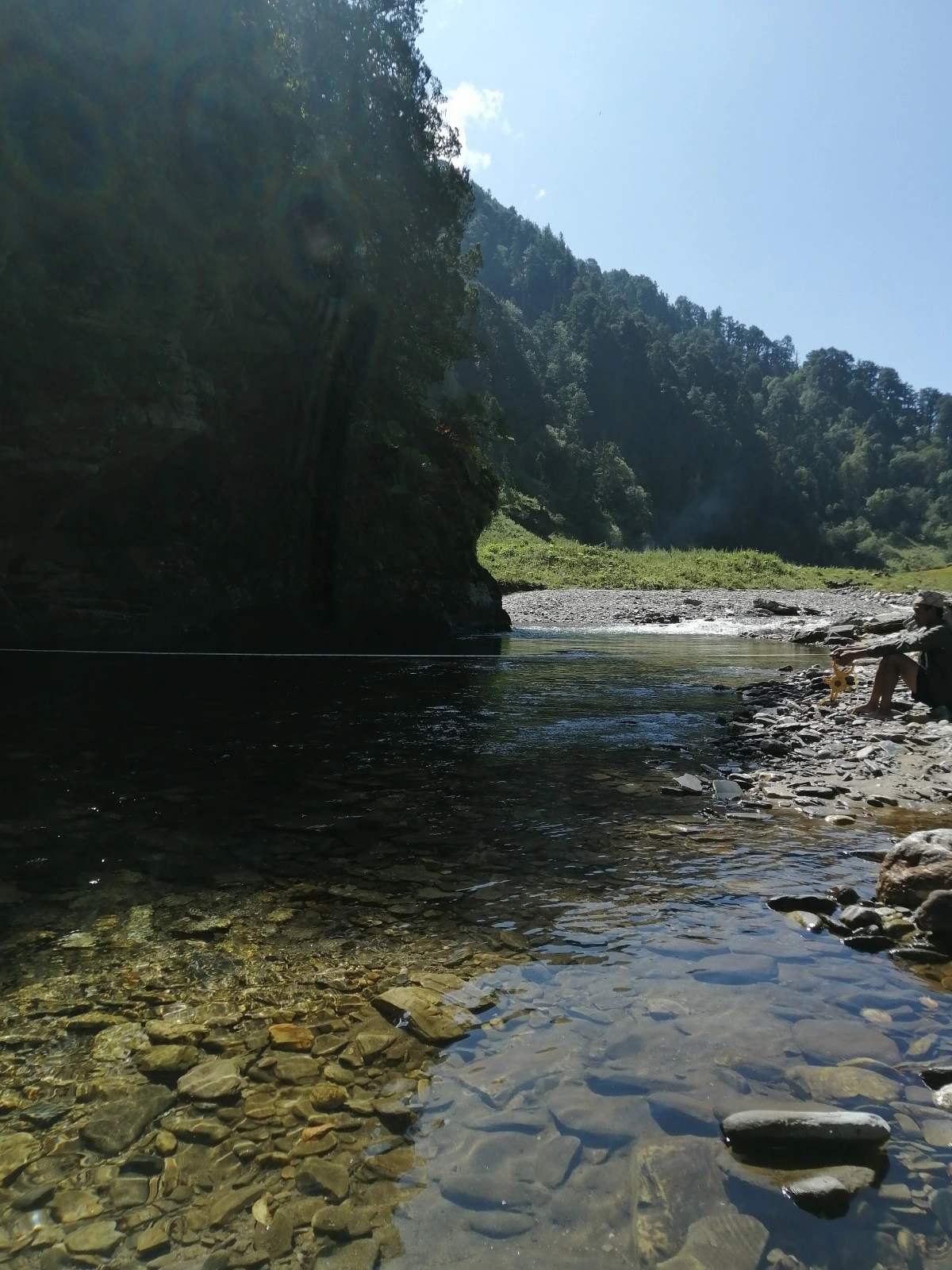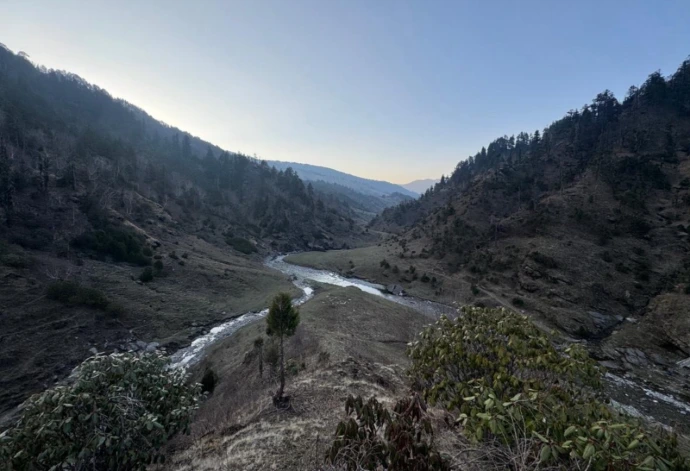
“Powering Nepal through sustainable hydropower.”
Our journey in hydropower reflects the global transition toward sustainable and renewable energy solutions. Guided by the belief that long-term energy security lies in responsible utilization of natural resources, the project embodies a commitment to clean power generation, technical excellence, and environmental stewardship.
About Project
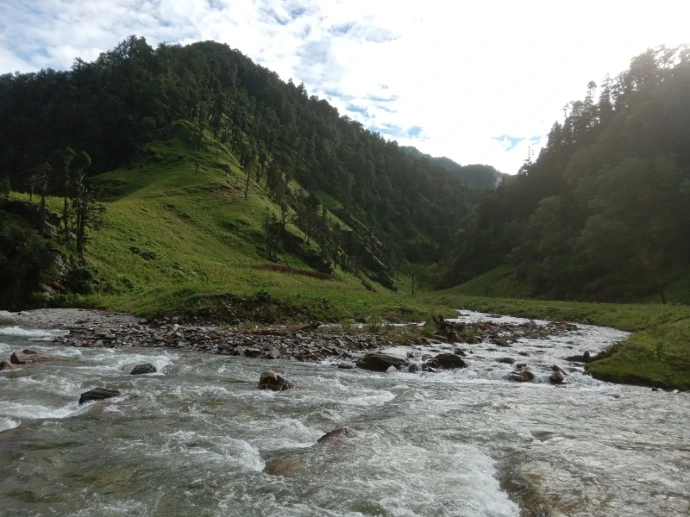
Jilli Chumli Khola Hydropower Project (JCKHPP) is a storage-type scheme located at Mahawai Rural Municipality (previously Odanakhu VDC) of Kalikot District, Karnali Province. Jilli-Chumli Khola is a tributary of Tila Nadi. Geographically, the project area ranges from the latitudes 28° 59’ 27" N to 29° 5’ 50" N and the longitudes 81° 45’ 10" E to 81° 50’ 45" E, respectively.
Physical Features
Altitude in this basin varies from 120 amsl to 7742 amsl. Catchment area of the project is covered with forest and snow. Drainage basin of this river lies within the higher to middle mountain range. River basin has 20% of area above 5000m and 6% area below 3,000 m. Location of intake site is selected at area having comparatively mild river gradient and the powerhouse site at safe level from high flood of Jilli-Chumli River. Topography is generally favourable for implementation of hydropower project. The powerhouse is at confluence of Ruru Banchu khola and Jilli Khola near Padamghat at 1480 m amsl.
Learn more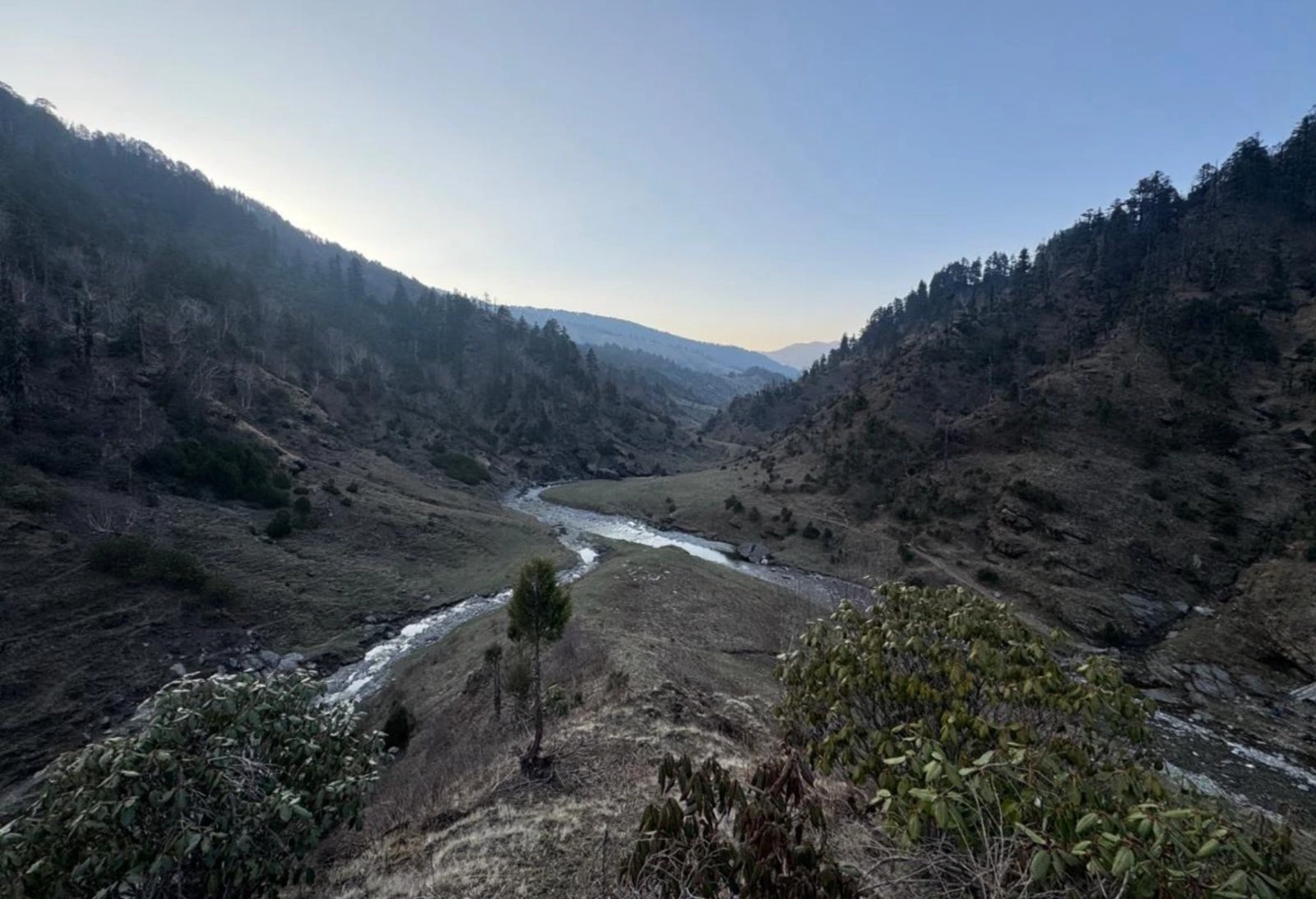
Message from The Chairperson

Nepal is endowed with abundant water resources, and hydropower remains central to our nation’s journey toward energy security, economic resilience, and sustainable development. Our project represents a purposeful step in transforming this natural potential into clean, reliable, and indigenous energy for Nepal.
The development of this 100 MW hydropower project reflects our commitment to engineering excellence, environmental responsibility, and inclusive growth. From careful site selection to design and execution, we have prioritized long-term sustainability, safety, and harmony with local communities and ecosystems. We firmly believe that hydropower development must respect nature while empowering people.
Beyond power generation, this project contributes to employment, regional infrastructure, and national self-reliance by reducing dependency on imported energy. It aligns with Nepal’s broader vision of becoming a clean energy exporter while strengthening domestic supply.
I extend my sincere appreciation to our engineers, partners, financial institutions, government agencies, and local stakeholders whose trust and collaboration have made this endeavor possible. Their shared commitment and professionalism remain the cornerstone of our progress.
As we look ahead, we remain focused on timely execution, operational efficiency, and transparent governance. With discipline, innovation, and responsibility, we are confident this project will deliver lasting value to Nepal and to future generations.